
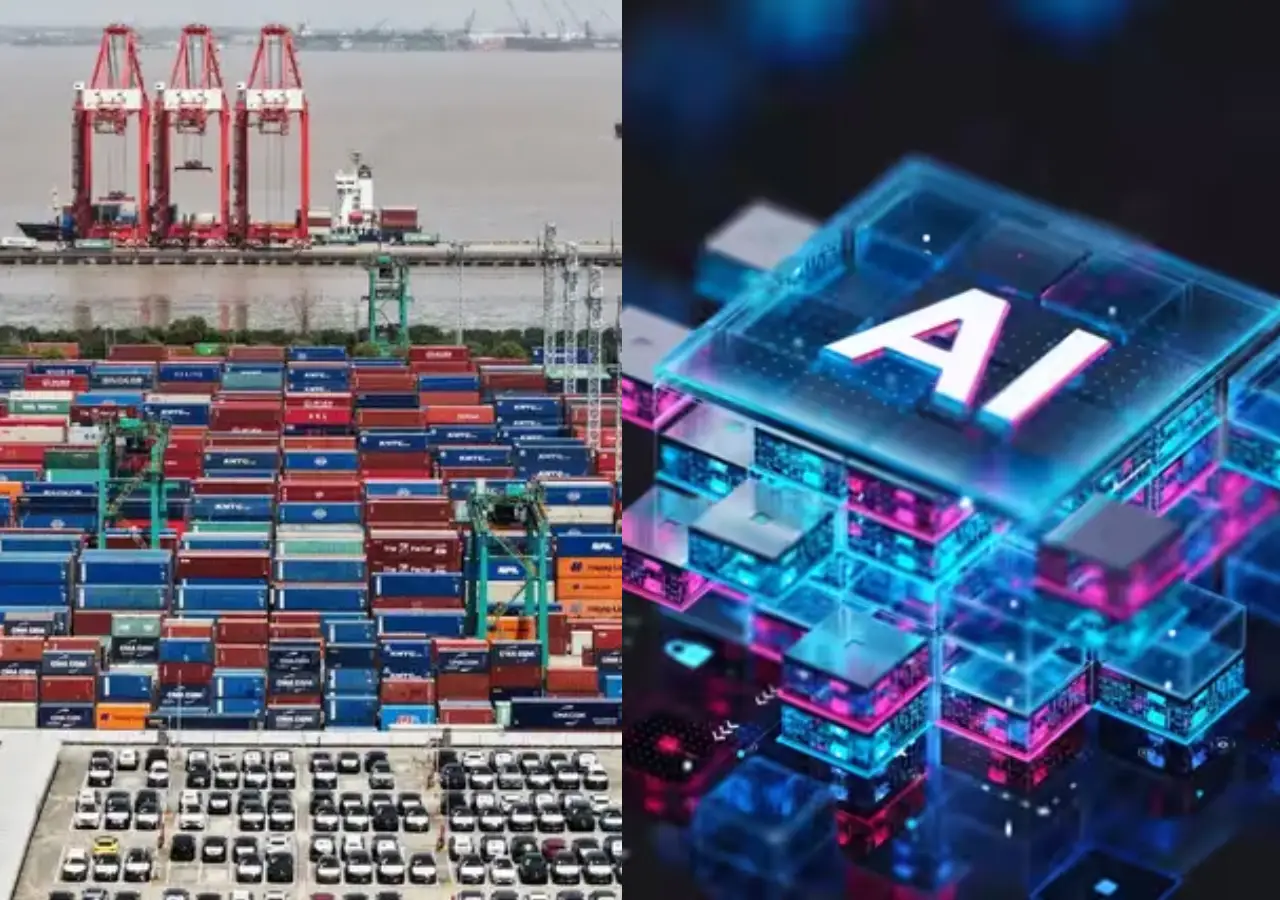
Global goods trade has been resilient in many ways despite the ongoing Middle East conflict, geopolitical escalation, global fragmentation, and many disruptions to international shipping. According to the World Trade Organization (WTO) Goods Trade Barometer, there has been a significant gain in global merchandise trade in the third quarter of 2026, supported by strong demand for artificial intelligence-related products and electronic components.
Table of Contents
In July, the WTO Trade Barometer increased to 102.0 from 101.7 in June. This shows a resilient performance of global merchandise trade, with its volume remaining above its recent trend. The latest data suggest that global goods trade has remained stronger than expected, irrespective of many economic and geopolitical challenges. A reading above 100 generally shows that trade activity is above its trend level.
Also Read: Trump Forecasts Oil Prices Below $2 After US Victory Over Iran.
AI Demand Has Led to Strong Global Trade
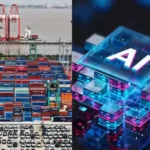
Artificial intelligence investment is one of the main components that has supported global trade. Countries around the world, as well as companies, are spending significantly on AI infrastructure, data centres, semiconductors, and other advanced technologies. This investment has created strong demand for electronic components, which recorded the strongest reading among the WTO barometer components at 104.9. This reading significantly reflected continued demand for goods that are required to develop and expand AI technologies.
Asia has been a significant area where the impact of AI has been shown, with multiple economies being major producers and exporters of semiconductors, electronic equipment, and other technology products. Robust demand for these goods has helped this region overcome some of the weaknesses created by geopolitical tensions and higher energy and logistics costs.
The WTO previously estimated that sustainable investment in AI could add 0.5 percentage points to global trade growth. In March 2026, it also predicted that merchandise trade volume would grow by 1.9% in 2026 under its central forecast.
Middle East Escalation Creates Risk for Global Trade
The ongoing Middle East conflict has been a big hurdle to the global economy and international trade despite many positive outcomes. This ongoing conflict has disrupted supply chains and shipping routes, particularly around the Strait of Hormuz, which is one of the most important routes for energy shipments.
Higher oil and energy prices can exacerbate the situation as they can create a huge problem in logistics costs, which will increase further. The WTO has warned that incessant energy prices can reduce merchandise trade growth. Under its high-energy-price scenario, the WTO had projected 2026 trade growth at 1.4%, compared with 1.9% under its central forecast.
However, not every country is facing the same situation around the world. Different economies have been affected differently by the ongoing war. Economies that are heavily dependent on imported energy have faced higher costs, while major energy-producing economies have experienced different effects.
Also Read: Why is Stock Market Crashing Today?
Exports Can Lead Trade Growth
Export orders have been a main point in the latest WTO data. The export order index rose to 103.5, which is important because it can help predict the future scenario of trade activity. Simply put, strong export orders always help an economy grow, and this means that businesses are still in demand. It also means that international customers continue to have demand for products from these businesses.
According to the WTO, international air freight also remained above trend and recorded a reading of 102.8, while agricultural raw materials stood at 102.6. Automotive products recorded 101.5. However, shipping activity faced some lagging, with a reading of 99.6, which is below the 100 baseline. Again, this indicates that different parts of the global economy are being affected differently by the ongoing situation.
What Does This Mean for the Global Economy?
According to WTO data, the performance of the global market sector has been resilient and has even been stronger than earlier expected, even in a scenario where uncertainty and unpredictability are very high. Trade policies, including tariffs, remain difficult to predict at this stage.
However, the situation remains highly unpredictable. If the war continues for a longer period, shipping charges and freight costs could increase further. This could put additional pressure on businesses and international trade.
At the same time, AI demand is acting as a very important support for global trade in this situation. Strong demand for AI-related products and electronic components is helping support trade activity, while energy disruptions remain one of the major risks to global merchandise trade.
Global Trade Faces Mixed Impact From Middle East Conflict and AI Demand
The current market situation right now can be reflected as a balance between a seesaw. On one side, the Middle East conflict is creating negative pressure by exacerbating the situation, increasing crude oil and gasoline prices, disrupting shipping routes, and creating uncertainty at a very high level. But on the other side of the seesaw, there is a rapid expansion of investment in artificial intelligence, which is responsible for creating robust demand for technology products and eventually supporting international trade.
For the time being, however, we can only see a minor effect of this AI-related demand. It can help to some extent in cushioning the negative effects of the conflict, while the WTO has remained very cautious about the possible impact of the ongoing war. The WTO has stated that the disruption caused by the ongoing conflict around the Strait of Hormuz will become clearer in later trade data. The organisation is expected to release an updated Global Trade Outlook and Statistics report in October 2026.
Conclusion
The WTO data have shown that world trade growth is stronger than expected despite the ongoing war situation and geopolitical fragmentation. The uncertainty and unpredictability still remain a key concern for the market scenario. However, the rise in the barometer to 102.0 shows that merchandise trade is still above its recent trend, while AI-related electronic components are providing support to this growth because of the huge demand for these products.
At the same time, there are significant risks in the economy, as we have discussed, including higher energy prices, shipping disruptions, and the unpredictability of trade policies. The future cannot be predicted at this stage, as it largely depends on the market scenario and investor sentiment.
But we can say that the AI investment boom has played a major part in supporting the economy and offsetting some of the economic impact of geopolitical tensions. For the time being, the WTO data suggest that global trade has managed to maintain its momentum through resilience, with technology and AI-related products emerging as key forces supporting international commerce in 2026.
Also Read: Goldman Sachs Forecast: Will the Price of Gold Keep Rising?


2 thoughts on “World Goods Trade Significantly Increases Despite Middle East Conflict, AI Demand Offers Support”